What is a KWPN Horse and Why Do US and German Buyers Choose Them?
The KWPN is known as one of the best sport horse studbooks in the world. What do star, keur, and elite mean, what does a KWPN horse cost, and what should you look for when buying one?
What does KWPN mean?
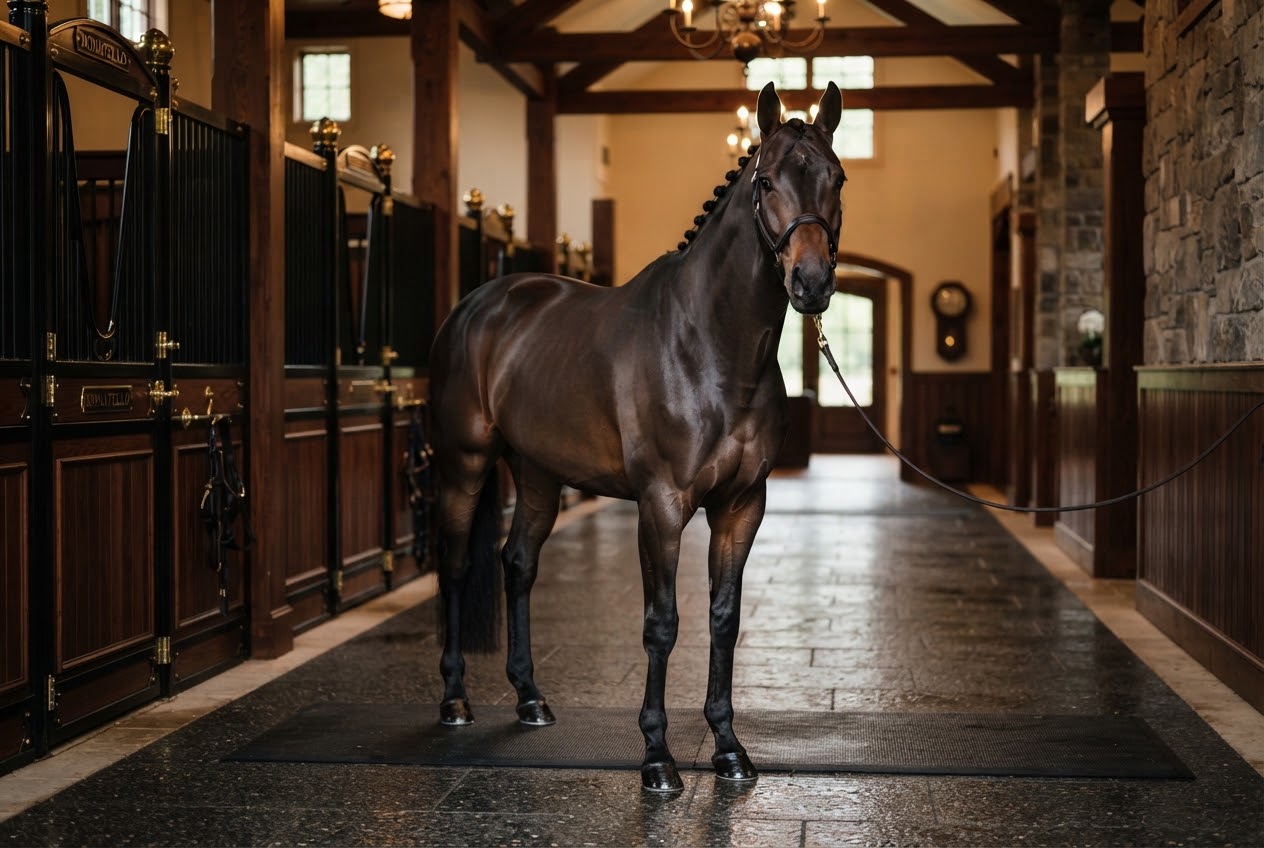
KWPN stands for Koninklijk Warmbloed Paardenstamboek Nederland (Royal Warmblood Studbook of the Netherlands). It is the official studbook for the Dutch Warmblood, renowned worldwide as a top sport horse in both dressage and show jumping. The breed originated after World War II from a cross of local Dutch mares with English Thoroughbreds and German, French, and Belgian stallions.
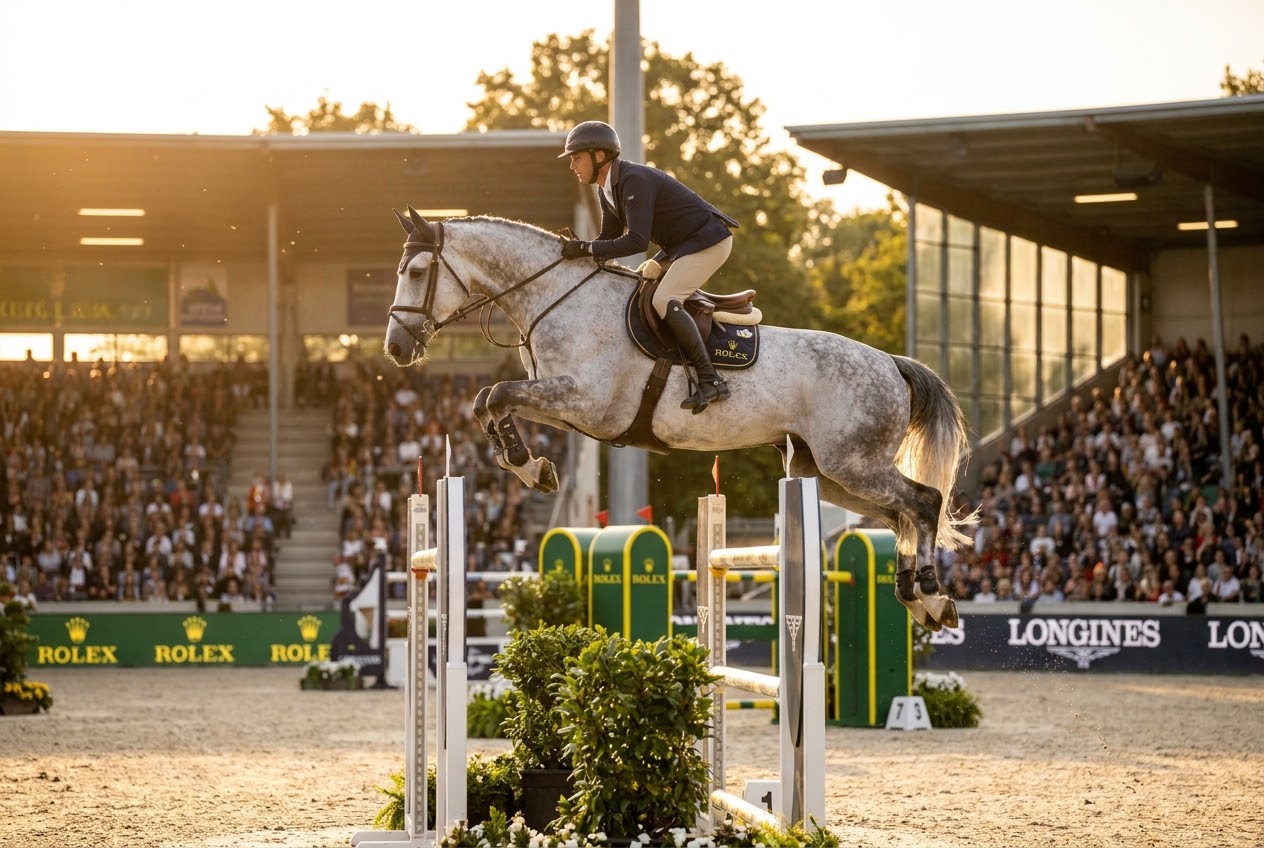
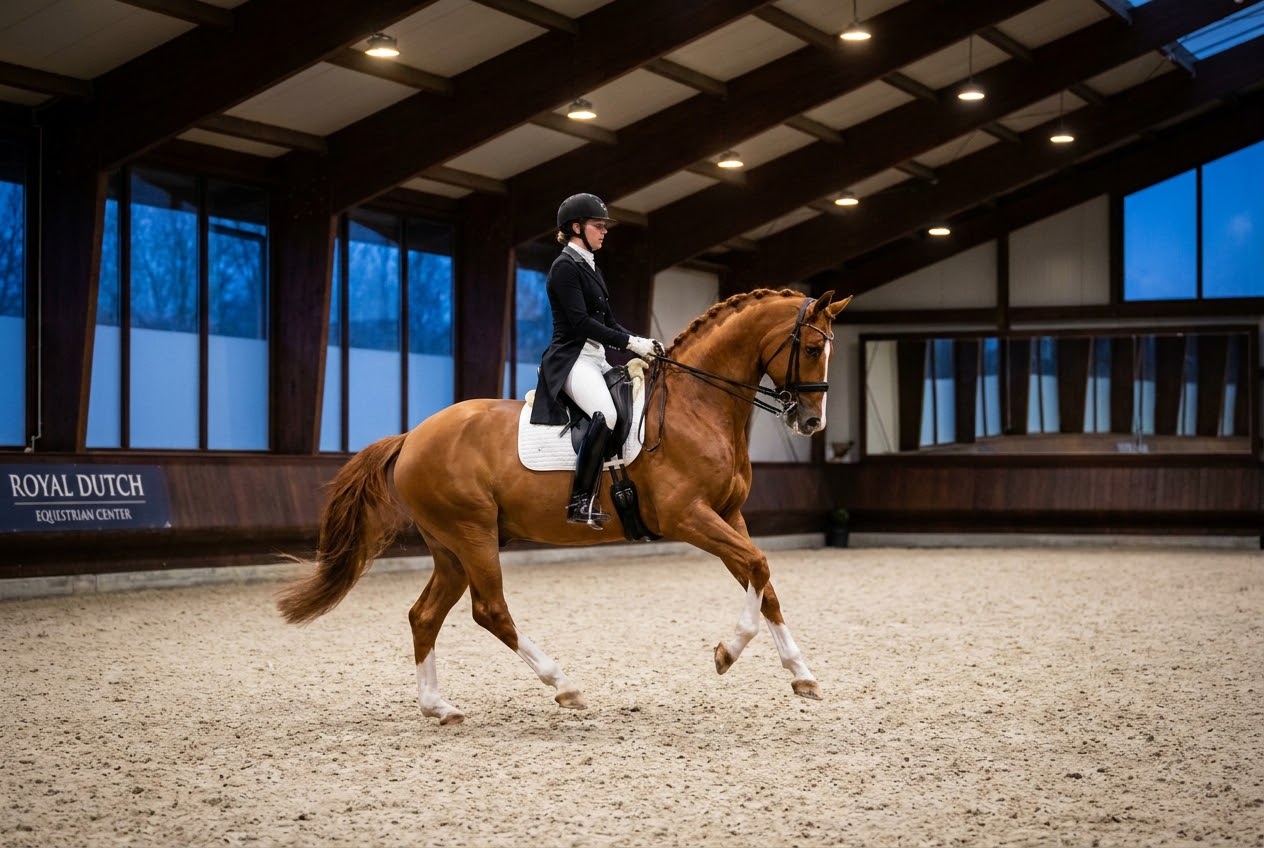
The result: a modern, athletic horse with a good temperament, strong hindquarters, and excellent movement. This is why KWPN horses are seen at Olympic Games, World Cups, and the largest international five-star competitions, and the studbook has topped the WBFSH rankings for years.
The difference between KWPN, Dutch Warmblood, and “Hollands paard”
In everyday language, people often say “Hollands paard” (Dutch horse) or “Nederlands Warmbloed” (Dutch Warmblood). Strictly speaking, KWPN refers to the studbook and Dutch Warmblood to the breed. A horse without KWPN papers can be a Dutch Warmblood but lacks studbook registration – and that registration is precisely what gives foreign buyers confidence.
Therefore, when looking at an advertisement, pay attention to the distinction between “KWPN-registered” (papers present) and “KWPN-type” (appearance, no papers). It affects the price and resale value.
Predicates: Star, Keur, Elite, and Preferent
The KWPN not only registers but also inspects. Mares are presented at inspections and can earn predicates; stallions undergo a multi-year stallion inspection with performance testing. For a buyer, this is important for a practical reason: a predicate in the dam line is independent, third-party verified proof that the family produces sound sport horses. It is one of the few quality signals on a sales page that a seller cannot simply invent.
- —Star - conformation and movement above the breed standard.
- —Keur - Star plus a successfully completed performance or sport requirement.
- —Elite - the highest mare predicate: conformation, sport, and health examination combined.
- —Preferent - awarded based on the proven quality of offspring.
- —Prestatie (Performance) - the mare has multiple offspring performing at a high level.
A mare with Keur and Preferent in the dam line often says more about durability than a famous sire line. Sires are chosen for fashion; dam lines prove themselves over generations.
How much does a KWPN horse cost?
Price is determined by age, training level, health status, and pedigree – approximately in that order. The guide prices below are what Dutch sellers realistically ask.
| Type | Guide Price | What you get |
|---|---|---|
| 3-4 years, started under saddle | EUR 15,000 - 35,000 | Talent and papers, no show results yet |
| 5-6 years, competing nationally | EUR 35,000 - 70,000 | Basics confirmed, first results, room for development |
| 7 years and older, M/Z or 1.30 m | EUR 70,000 - 150,000 | Proven at the level you want to ride yourself |
| Grand Prix or 1.45 m | From EUR 150,000 | International show results |
Always explicitly ask whether the price includes VAT and who the legal owner is. For exports outside the EU, VAT treatment changes; you arrange that with the seller, not the studbook.
KWPN compared to other European studbooks
| Studbook | Known for | For the buyer |
|---|---|---|
| KWPN (NL) | Rideability, movement, high WBFSH rankings | Large selection, transparent pricing |
| Hanoverian (DE) | Dressage frame and power | Strong dressage lines, often higher priced |
| Oldenburger (DE) | Modern dressage type | Many sold via auctions |
| BWP / SBS (BE) | Jumping blood | Excellent jumping horses, smaller dressage selection |
| Selle Francais (FR) | Power and blood | Fewer horses available for export |
Why do buyers from the US and Germany choose KWPN?
International buyers – especially from the United States, Germany, the Gulf Region, and increasingly England – consciously seek out KWPN horses for three reasons:
1. Verifiable quality. Inspections, predicates, and publicly accessible pedigrees reduce the risk of a remote purchase. 2. Versatility. There are clear dressage and jumping lines, so you can search specifically instead of hoping. 3. Selection and price level. The Netherlands has many professional breeders and sales stables within a short driving distance of each other. You can try eight horses in two days, which helps keep prices competitive.
How to recognize a good KWPN horse?
A good KWPN horse has:
- —a balanced conformation with sufficient and correct leg work;
- —a loose, ground-covering gait (dressage) or power and technique (jumping);
- —a willing temperament that suits the level of the rider;
- —a clear pedigree with studbook papers and verifiable show results.
Always ask for the unedited video, not the sales montage: from the side, in all gaits, or over an entire course round including any faults. Check results yourself in the KNHS or FEI database, and ask for previous inspection reports.
Purchasing from abroad: how it works
Most international buyers only come to the Netherlands once their shortlist is ready.
1. You provide your level, budget, rider profile, and timeline. 2. You receive video, pedigree, show results, and asking price before you travel. 3. You try the horse yourself, or send your trainer or agent; Dutch stables are accustomed to this. 4. An independent equine clinic performs the pre-purchase examination. Avante does not evaluate X-rays – you and your own veterinarian do that. 5. Payment, transport, export papers, and customs are arranged directly with the seller. We bring parties together and coordinate, but do not act as transporter or importer.
Frequently Asked Questions
Is a KWPN horse suitable for an amateur? Yes, provided you buy at a suitable level rather than purely on potential. A confirmed eight-year-old horse one level above your own almost always gives an amateur more pleasure than a spectacular four-year-old.
Are KWPN papers necessary to compete internationally? No, for FEI starts, an FEI passport is primary. Papers are mainly important for breeding, trust during purchase, and resale value.
Can I buy a KWPN horse without seeing it? It is possible, and it happens, but at a minimum, have an independent professional ride and inspect it on your behalf.
Buying a KWPN horse?
At Avante, we present a selection of KWPN dressage horses and KWPN jumping horses from reputable Dutch breeders and sales stables, with video, pedigree, and price on each advertisement.