Horse Transport and Import: Papers, Costs, and Timeline Inside and Outside the EU
What documents do you need, how much does sport horse transport cost, and how long does it take? A practical guide for international buyers.
You've found the right horse. Then begins the part that buyers most often underestimate: transport and paperwork. With the right preparation, this process runs smoothly, but mistakes can lead to weeks of delays and sometimes significant costs.
What documents are mandatory within the EU?
For the transport of a sport horse between EU member states, you will need:
- —A valid horse passport with a correctly registered chip number.
- —A health certificate from an official veterinarian, issued shortly before departure.
- —Registration in TRACES, the European system for animal movements.
- —A proof of ownership or transfer form from the studbook.
- —For commercial transport: a valid carrier's license and journey plan from the transporter.
Always check whether the passport is transferred to the new owner's name; this is often overlooked and can cause problems later with competition entries.
What else is needed for export outside the EU?
Export to, for example, the United Kingdom, the United States, Canada, or the Middle East requires additional steps. These include blood tests for diseases such as equine infectious anemia, piroplasmosis, and dourine, an export certificate issued by the competent authority, and in many cases, a quarantine period of several days to several weeks. The exact requirements vary by destination country and change regularly; always have this confirmed by a specialized export agent.
How much does sport horse transport cost?
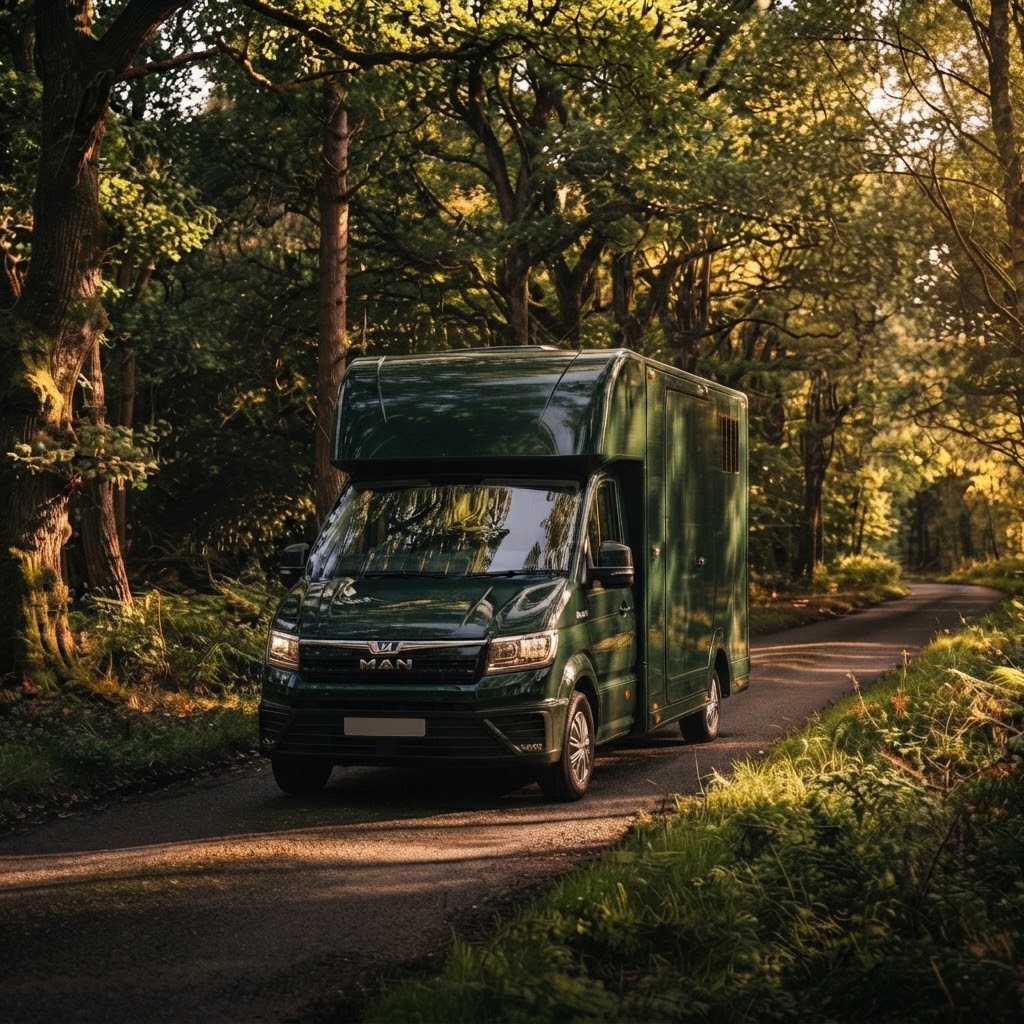
Indicative costs for professional transport with a climate-controlled horse truck:
- —Within the Netherlands or Belgium: 250 to 600 euros.
- —Netherlands to Germany, France, or Denmark: 700 to 1,500 euros.
- —To Southern Europe or Scandinavia: 1,500 to 3,000 euros.
- —Intercontinental air freight: 8,000 to 20,000 euros, including quarantine and escort.
For road transport, shared journeys are often arranged, which is cheaper but extends travel time. Exclusive transport costs more and is calmer for the horse.
How long does the entire process take?
Within the EU, a week between purchase and delivery is realistic, provided the paperwork is in order. Outside the EU, you should allow four to eight weeks, mainly due to blood tests, certification, and flight availability. Therefore, plan the purchase well before the start of a competition season.
How can I reduce stress for the horse?
Choose a transporter with experience in sport horse transport, let the horse travel in a spacious stall, ensure sufficient water and hay along the way, and plan rest stops for longer journeys. Upon arrival, an acclimatization period of seven to fourteen days is common before training is gradually resumed. Have the horse briefly checked by a veterinarian upon arrival; travel sickness can then be detected early.
Who arranges all this?
In practice, the work is divided: the seller provides the passport and proof of ownership, the veterinarian provides the health certificate, and the transporter or export agent arranges TRACES, certificates, and planning. As a buyer, it is advisable to designate one party to coordinate the process so that no documents fall through the cracks.
Next step
Avante Horse Sales does not arrange transport, import, export, customs papers, or quarantine itself. We will put you in contact with the seller; transport and import should be arranged directly with the seller and their transporter.