The Dutch Warmblood (KWPN) Explained: Breeding, Bloodlines, and Why It Wins

What makes the Dutch Warmblood one of the most successful sport horses in the world? About selection, inspections, leading bloodlines, and what this means for buyers.
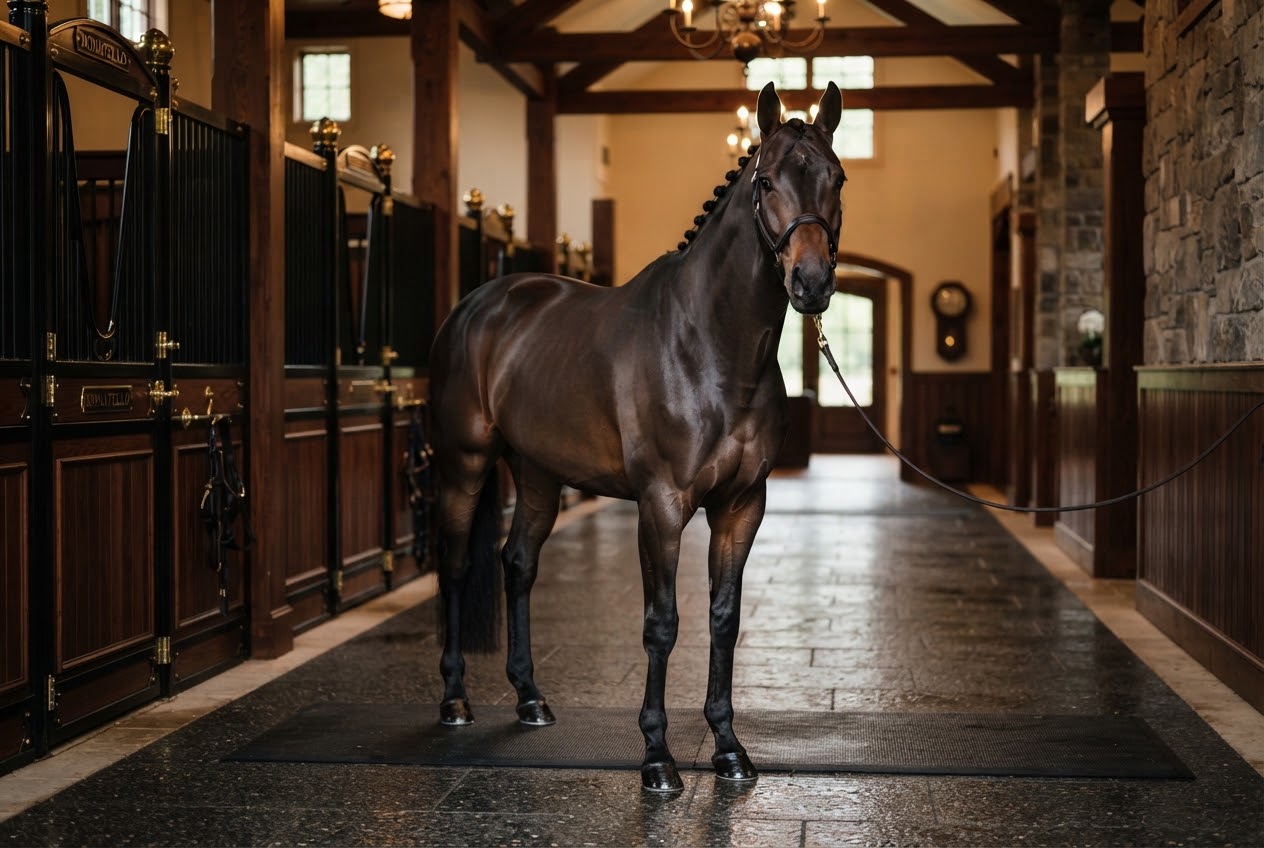
The Dutch Warmblood, registered with the KWPN, has been at the top of international sport horse breeding rankings for years. For buyers, it is useful to understand how this position came about, as it explains why a horse with KWPN papers is often a more predictable purchase.
What exactly is a Dutch Warmblood?
The Dutch Warmblood is not a breed in the classical sense, but a breeding direction that originated from Groningen and Gelderland agricultural horses, refined with French, German, and English blood. From the 1960s, breeding was purposefully directed towards sport performance. The KWPN has separate breeding directions for jumping, dressage, harness horses, and Gelderland horses, each with its own selection goals.
Why does the Dutch Warmblood perform so well?
The answer lies in its selection system. Stallions undergo a multi-year process of inspection, performance testing, and sport performance before being definitively approved. Mares are evaluated on conformation, movement, and jumping ability, and breeders receive detailed breeding values. Health is heavily weighted: radiological criteria are strict, and stallions with hereditary defects are excluded.
As a result, the average quality is high, not just the top. For a buyer, this means a deeper offering in the mid-segment.
Which bloodlines are important for jumping?
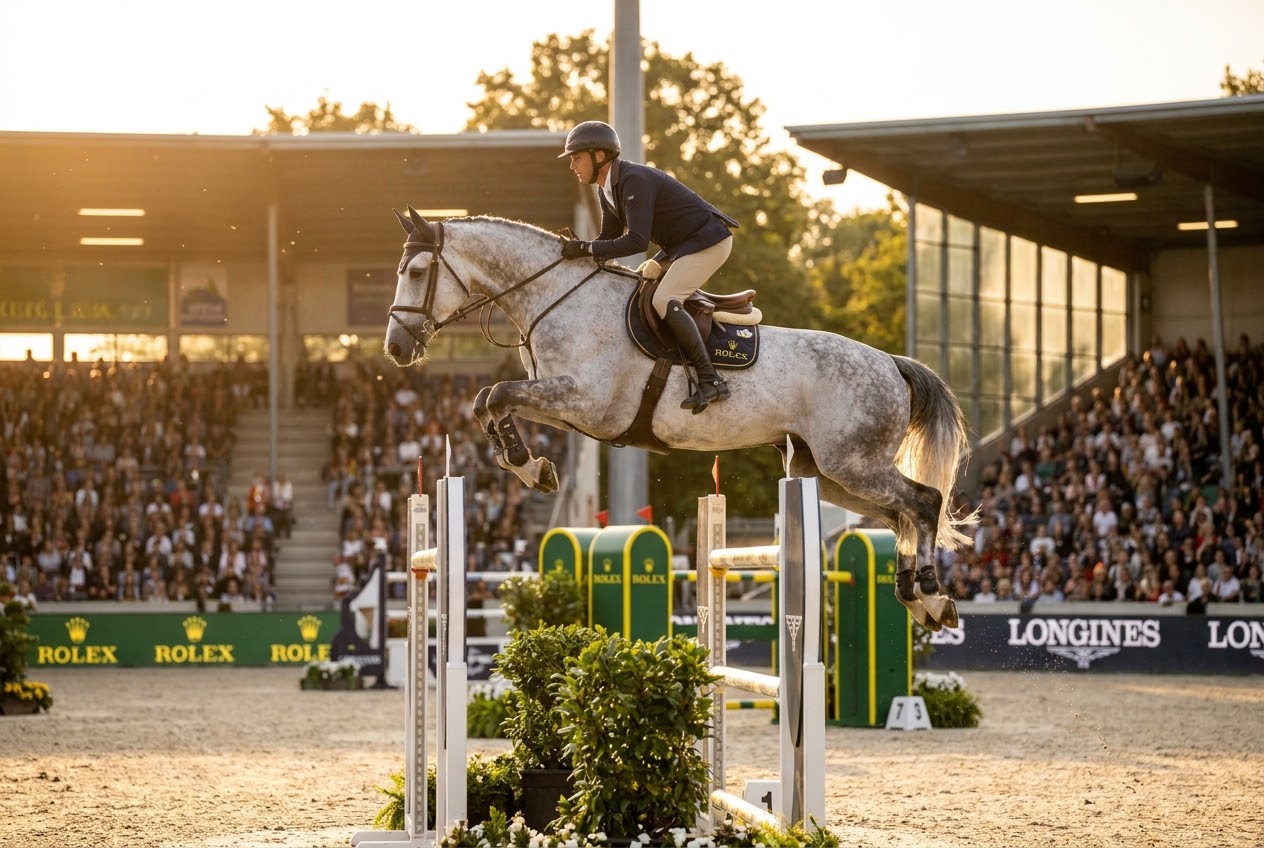
In jumping breeding, a few strains dominate. Offspring from lines tracing back to Baloubet du Rouet, Cornet Obolensky, Chacco-Blue, Diamant de Semilly, and Emerald, among others, are well represented in international sport. These lines are valued for their scope, technique, and carefulness. When making a purchase, one looks not only at the sire but especially at the dam line: a mare line that has produced multiple international show jumpers is a stronger signal than a popular sire line alone.
Which bloodlines are important for dressage?
In dressage breeding, lines around Totilas, Negro, Jazz, Ferro, and Johnson have been defining, supplemented by modern German blood. Selection focuses on three equally good basic gaits, impulsion from the hindquarters, and especially rideability. A horse with spectacular movement but a difficult character rarely reaches Grand Prix in practice.
What does this mean when I buy a horse?
Papers do not predict a career, but they do reduce risk. When reading a pedigree, pay attention to three things: performance in the direct dam line, consistency of the sire line in the discipline you are looking for, and health data from the inspection. A well-bred horse with moderate training can still disappoint; conversely, a more simply bred horse with excellent training and attitude can go far.
Is a KWPN horse more expensive?
Often yes, but not always. You pay for selection, documentation, and resale value. The latter is particularly relevant: a horse with complete papers and a demonstrable dam line is easier to sell later. For buyers who want to resell the horse after a few years, this is a real factor in the total cost.
Next step
Do you want to know which bloodlines suit your goals and level? View the available selection or request a personalized search profile from Avante Horse Sales.